Hi there wonderful reader! Welcome to this electrifying corner of cyberspace where neurons party and bodies boogie! Here, we are not just decoding the brain’s secrets or breaking down movement mechanics ; we’re on a wild adventure through the thrilling intersection of neuroscience and movement.
Coping with Change: Finding Grounding Through Neuroscience
Change is one of life’s few certainties, yet adapting to it can often feel overwhelming. Whether it’s a shift in career, moving to a new city, change of season, or navigating personal relationships, transitions trigger complex neurological responses that can impact our mental and physical well-being. Understanding how our brain reacts to change—and what we can do to feel more grounded during these times—can provide invaluable insights for maintaining balance.
The Neuroscience of Change
When we experience change, the brain perceives it as a form of stress, even when the change is positive. The amygdala, the part of the brain involved in processing emotions, signals potential threats, prompting a stress response. This can lead to the release of stress hormones like cortisol, which can make us feel anxious or unsettled.
At the same time, our brain's neuroplasticity—its ability to reorganize and form new neural connections— enables us to adapt. While it can be uncomfortable, this adaptability is the very quality that allows us to learn, grow, and thrive through change. However, tapping into this capacity requires specific strategies to promote resilience and grounding.
The Limbic System: The Brain's Emotional Hub
To understand how we react to change, it's essential to explore the limbic system, often referred to as the emotional center of the brain. This complex network of structures is involved in processing emotions, forming memories, and regulating behavior, all of which are highly relevant during times of change.
What Is the Limbic System?
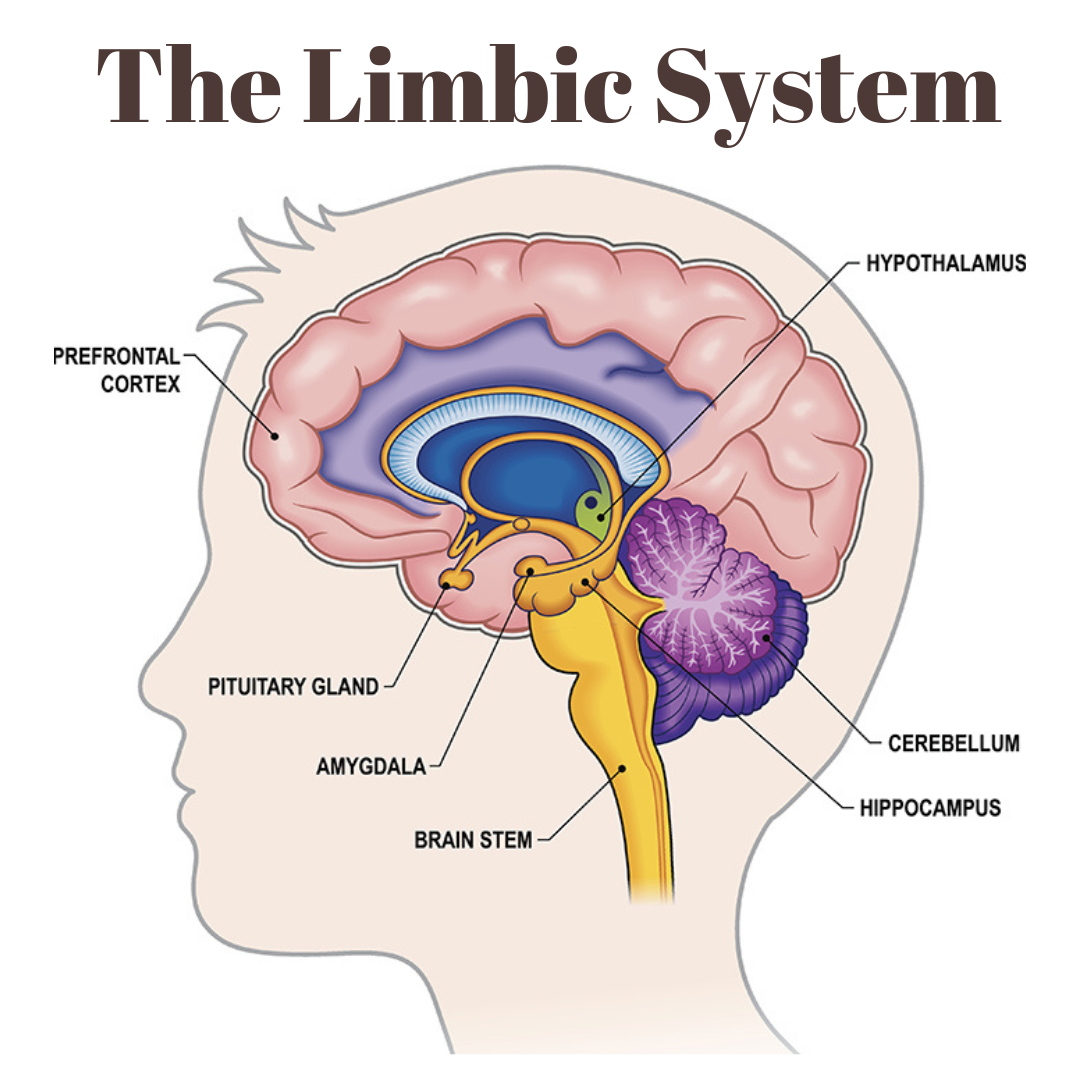
The limbic system is made up of several interconnected parts, each playing a unique role in our emotional and behavioral responses:
Amygdala: The amygdala is crucial for processing emotions, particularly fear and anxiety. It acts as an alarm system, signaling when we perceive a threat or significant change. This triggers the release of stress hormones like cortisol and adrenaline, preparing the body for a "fight or flight" response.
Hippocampus: Known for its role in forming and retrieving memories, the hippocampus works closely with the amygdala. It helps contextualize emotional reactions by associating current experiences with past memories. This is why a significant life change can evoke feelings similar to past experiences, whether positive or negative.
Hypothalamus: The hypothalamus links the nervous system to the endocrine system, regulating bodily functions such as stress responses, sleep, and hunger. It plays a pivotal role in activating the body's stress response by signaling the pituitary gland to release stress hormones.
Prefrontal Cortex (PFC): Although not technically part of the limbic system, the PFC interacts with it to help regulate emotional responses. When you're trying to stay calm and rational during a change, the PFC works to counteract the amygdala’s stress signals.
How the Limbic System Affects Our Response to Change
During a period of change, the limbic system goes into high alert. The amygdala quickly assesses potential threats, sparking an emotional response. If the change feels uncertain or challenging, this can lead to heightened anxiety and stress. The hippocampus contributes by recalling past events that may influence how you perceive the current situation, whether as an opportunity or a risk.
The key challenge is that the limbic system often acts faster than the rational thinking processes governed by the prefrontal cortex. This can lead to an overactive stress response, where you feel overwhelmed before your brain has had time to process and rationalize the change.
Grounding Practices to Balance the Limbic System
Understanding the limbic system helps explain why grounding techniques are so effective:
Mindfulness and Deep Breathing: These practices activate the parasympathetic nervous system, promoting calm and reducing amygdala hyperactivity.
Routine and Structure: Establishing a routine provides predictability, which the limbic system interprets as safety, thus dampening stress signals from the amygdala.
Social Support: Positive interactions can stimulate the release of oxytocin, which soothes the amygdala and helps balance emotional responses.
5 Ways to Stay Grounded During Life Changes
1. Practice Mindfulness
Mindfulness helps to anchor you in the present moment, reducing stress by calming the amygdala and allowing the prefrontal cortex (responsible for rational thinking) to engage. Techniques such as deep breathing and guided meditation can create a buffer against stress by enhancing parasympathetic nervous system activity, which promotes relaxation.
2. Engage in Physical Activity
Regular physical activity is a natural way to reduce cortisol levels and boost endorphins. Studies show that even moderate exercise can stimulate the production of brain-derived neurotrophic factor (BDNF), a protein that supports brain health and helps combat the emotional toll of change.
3. Connect with Support Systems
Human connection is crucial for emotional resilience. Positive social interactions release oxytocin, a hormone that counteracts stress and fosters a sense of safety and trust. Make time to talk with friends, family, or even professional counselors to process your emotions and gain perspective.
4. Embrace Self-Compassion
Accept that it’s okay to feel uneasy or scared during life changes. Self-compassion involves treating yourself with the same kindness and understanding you would extend to a friend. This practice has been shown to activate the brain's soothing systems, reducing amygdala activity and fostering a more balanced emotional state.
5. Establish a Routine
Creating a daily routine can provide a sense of normalcy and predictability amid uncertainty. Neuroscientists suggest that routines help regulate the circadian rhythm, improving sleep and overall mood. This stabilizing effect supports cognitive functioning and reduces the brain's stress response.
Supporting Your Brain’s Adaptability
Change often challenges our cognitive resources, but it also presents an opportunity to build resilience. By incorporating practices that enhance neuroplasticity, such as learning new skills or maintaining an optimistic outlook, we can train our brain to become more flexible. This not only helps with the current transition but equips us to better handle future changes.
The most effective strategies combine elements that support physical, emotional, and social well-being. When you adopt a multifaceted approach, you’re not only improving your quality of life during turbulent times—you’re also rewiring your brain to adapt more gracefully.
Final Thoughts
Change is rarely easy, but by understanding its neurological roots and adopting supportive practices, you can navigate life’s transitions with greater ease. Grounding practices don’t just soothe the immediate symptoms of stress; they help lay the foundation for long-term resilience and adaptability.
----------------------------------
If you need help , remember that you can find my YouTube channel and IG accounts ( @alternative.movement ) where I post more information on different topics regarding all things movement and wellbeing - with a touch of neuroscience - or you can contact me directly through the CONTACT section at the foot of this page.
And that is a wrap on our neural adventure of today! Keep those synapses firing and your bodies moving as we continue to explore the fascinating interplay between brain and body.
Stay curious, stay active and remember -every move you make is a step towards a smarter, more connected you.
Until next time,keep your brain buzzingandyour body grooving!.

 OfferingTree