Neuro GROOVE - Sensory & Motor MAPPING
Celeste Ciccolini | SEP 24, 2024
neuroscience
brain
neurology
movement
sensory cortex
motor cortex
motor mapping
sensory mapping
neuro anatomy
movement ideas
Neuro GROOVE - Sensory & Motor MAPPING
Celeste Ciccolini | SEP 24, 2024
Hi there wonderful reader! Welcome to this electrifying corner of cyberspace where neurons party and bodies boogie! Here, we are not just decoding the brain’s secrets or breaking down movement mechanics ; we’re on a wild adventure through the thrilling intersection of neuroscience and movement.
Sensory & Motor MAPPING
Today, we are going to explore what Sensory & Motor MAPPING means and why it can be an incredible practice to add to your movement routine. Let's go!
What are Sensory and Motor maps?
Sensory (sensation) and Motor (movement) maps refer to the brain's representation of sensory and motor information from different parts of the body. These maps exist in the cortex and reflect how sensation and movement from various body parts are processed in the brain.
Sensory maps are located in the sensory cortex, which is situated in the parietal lobe. Motor maps are found in the motor cortex, located in the frontal lobe.
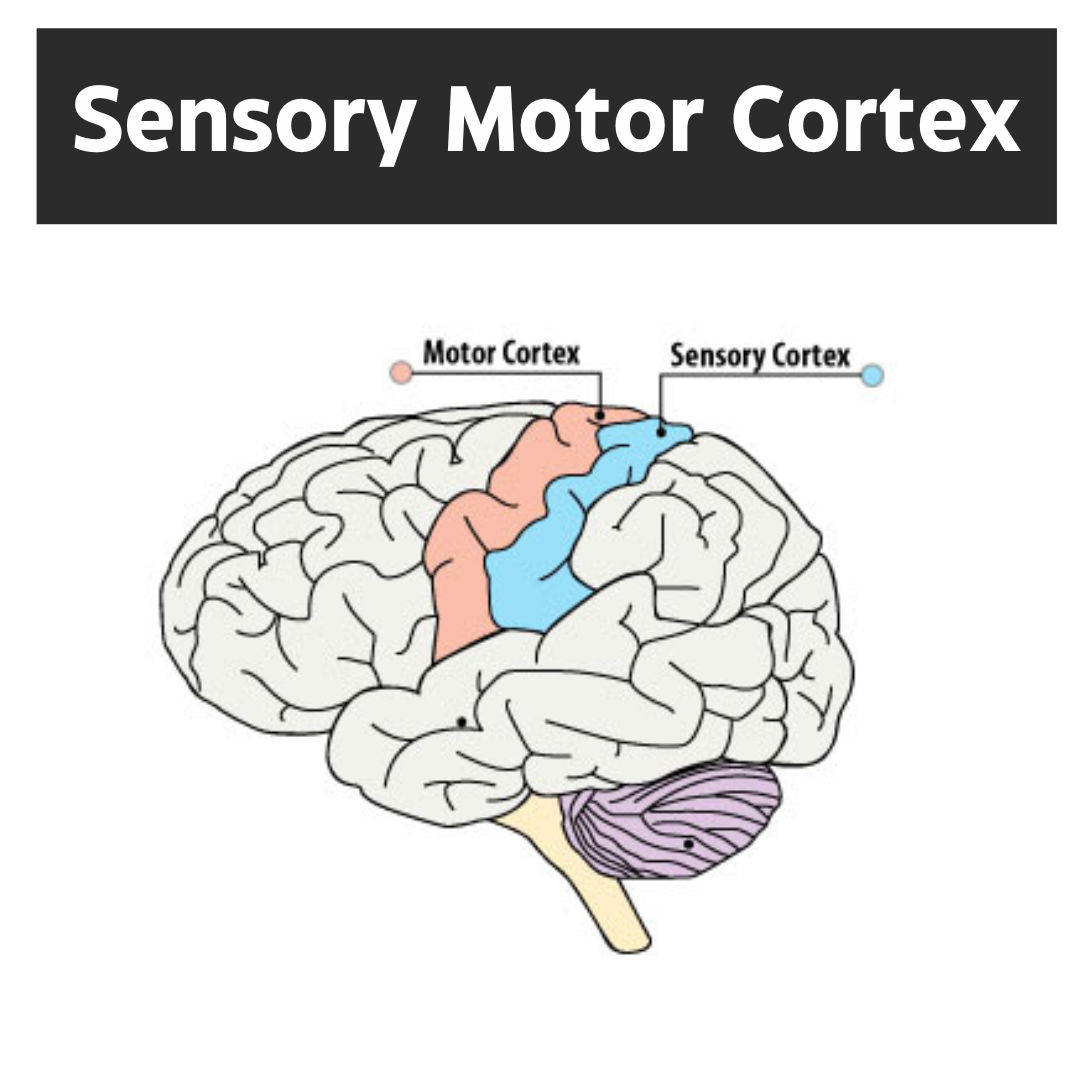
Sensory and Motor maps work together to facilitate movement. They provide feedback on body position and external stimuli , and help generate and refine motor commands.
Sensory and Motor Homunculus
These are your sensory and motor cortex:
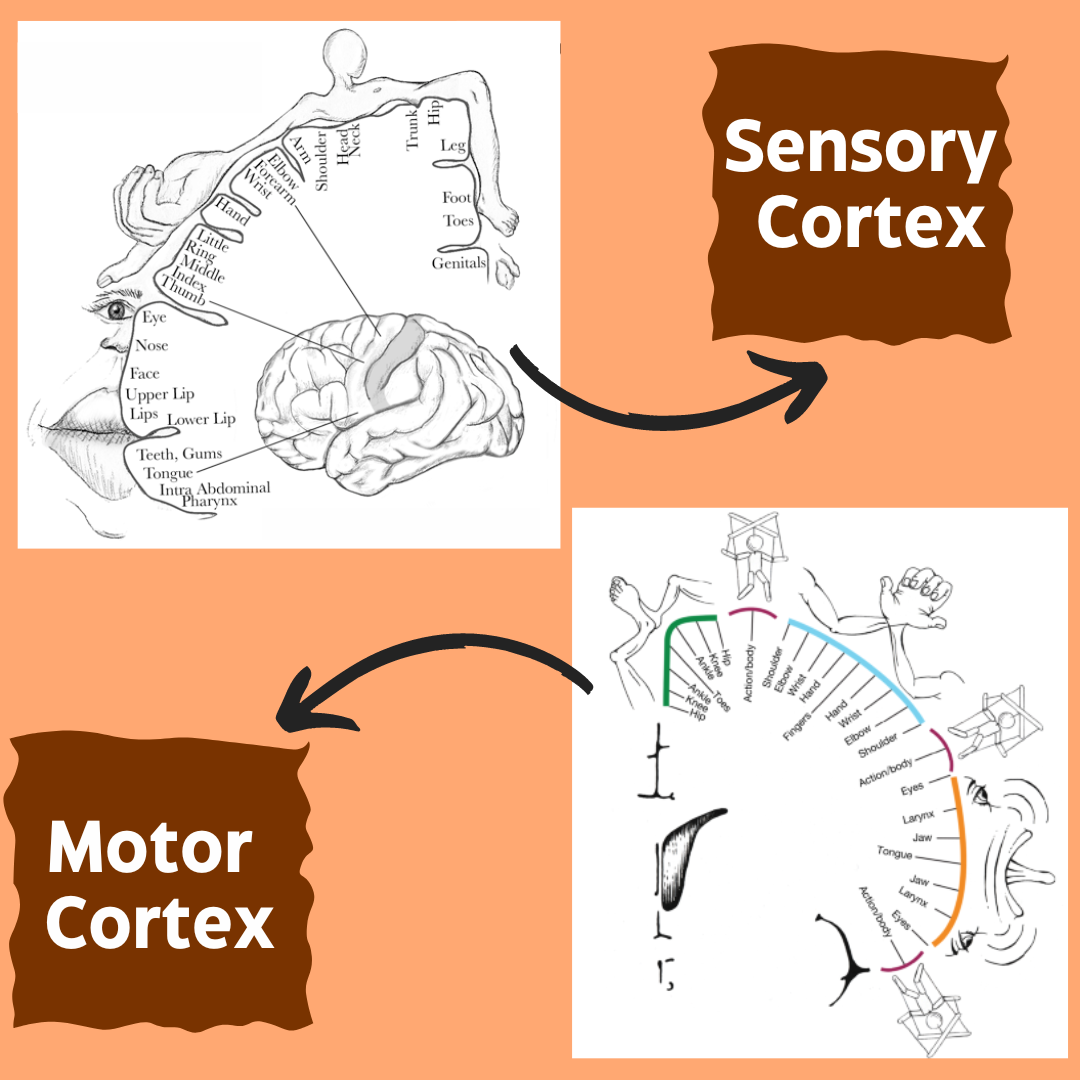
The homunculus (little man) is a visual representation of the body's sensory and motor maps, this means that for your brain, you kind of look like this:
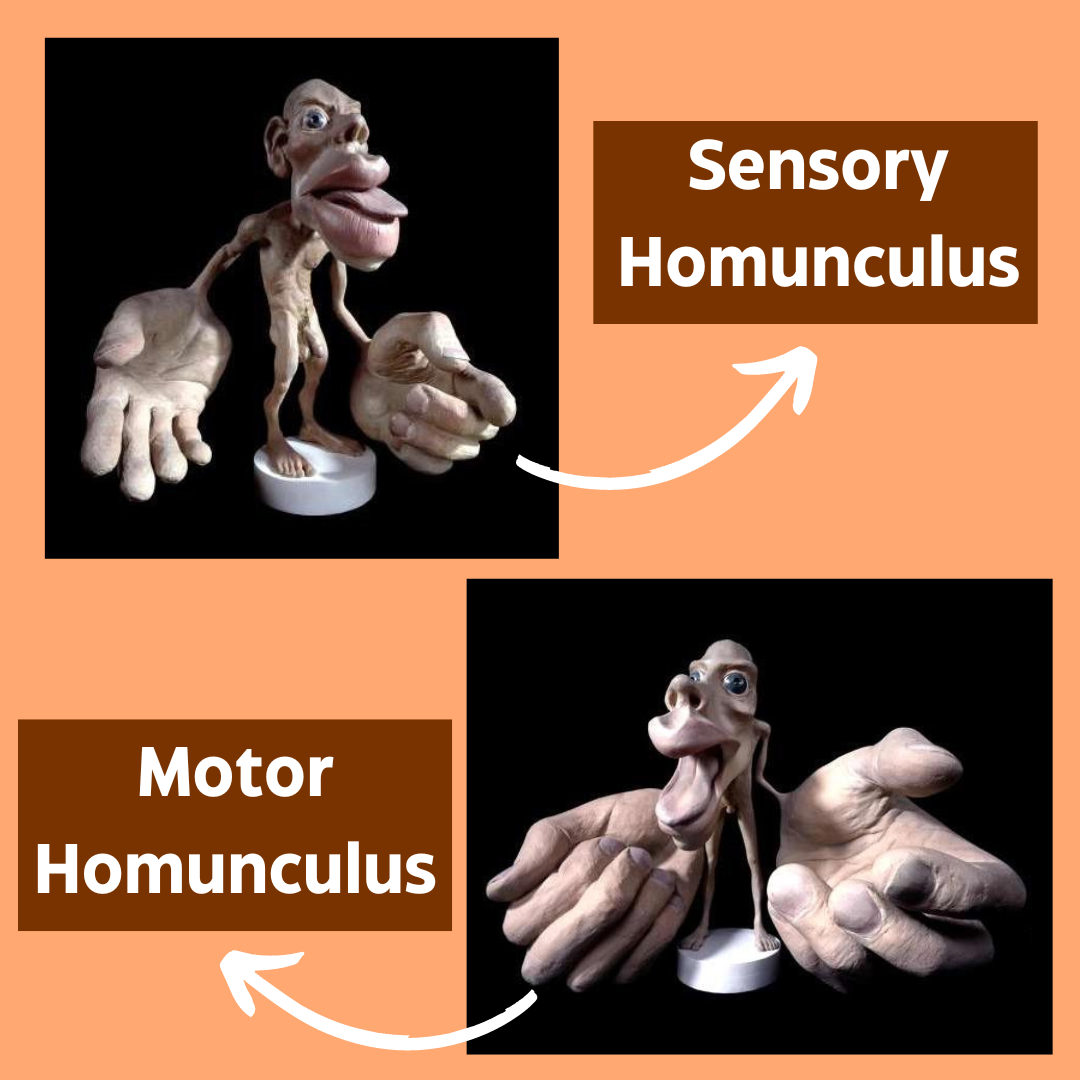
It shows the relative amount of cortical area devoted to sensory inputs or motor control for each body part. The homunculus appears distorted because areas like the hands, lips, and face, which require more precise control or have more receptors, take up more space in the cortex.
The size of the Homunculus will differ from person to person, depending on what kind of movements and sensory experiences we frequently have.
Brain’s Feeding Pattern of Activation
The brain likes to take up information from the bottom, up and from the back, forwards. Let’s have a look at this :
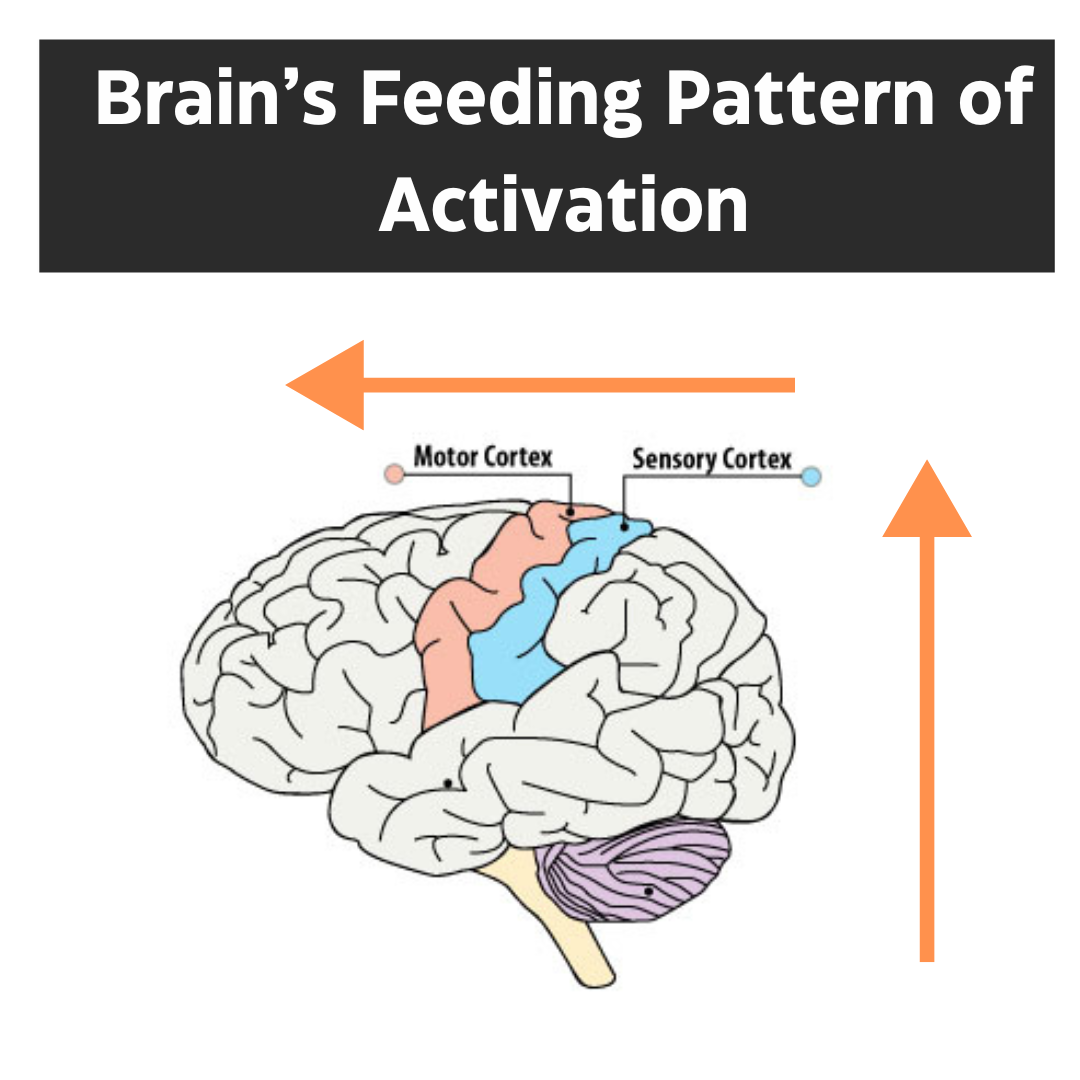
Now, areas of the brain that live close to each other, stimulate each other. Imagine two adjacent rooms divided by a wall with a window. If I turn on the light in one room, through the window, there will be incoming light to the room next to it.
This means that, if we consider the Feeding Pattern and where the Sensory & Motor cortex live, when I ‘turn on the light’ on the Sensory room , its adjacent Motor room will also lit up , thus if I stimulate the sensory cortex, the motor cortex will already be more ‘awake’ and ready to go!
Remember :
Can sensory and motor maps change over time?
Yes! Sensory and motor maps are plastic and can change with experience, learning, injury or disuse. This phenomenon is known as Plasticity (link to previous blog for more info on plasticity : https://www.alternativemovement.net/blog/neuro-groove-plasticity ).
That is why:
USE IT OR LOSE IT!!
The "use it or lose it" principle refers to the idea that areas of the brain that are frequently used will become more developed and take up more cortical space, while those that are not used may ‘shrink’ or be taken over by adjacent areas. This concept underscores the importance of regular practice and rehabilitation in maintaining and / or recovering sensory and motor functions.
Why is it important to add these practices?
Remember that your brain is REALLY interested in keeping you SAFE and what a better way than providing your brain with good and clear Sensory and Motor information ! Clear MAPS = Safe brain = better movement!
What should you do with this information?
Let's keep it simple! Just remember that improving the mapping of both your sensory and motor cortex can be incredibly beneficial so adding practices such as rubbing the skin ( think of it as taking a sensory shower ) and more drills that help your joints get better at moving in all directions and shapes possible is a great first step!
If you need help with ideas, remember that you can find my YouTube channel and IG accounts ( @alternative.movement ) where I post free content for all of you to enjoy .
And that is a wrap on our neural adventure of today! Keep those synapses firing and your bodies moving as we continue to explore the fascinating interplay between brain and body.
Celeste ~
Celeste Ciccolini | SEP 24, 2024
Share this blog post
 OfferingTree